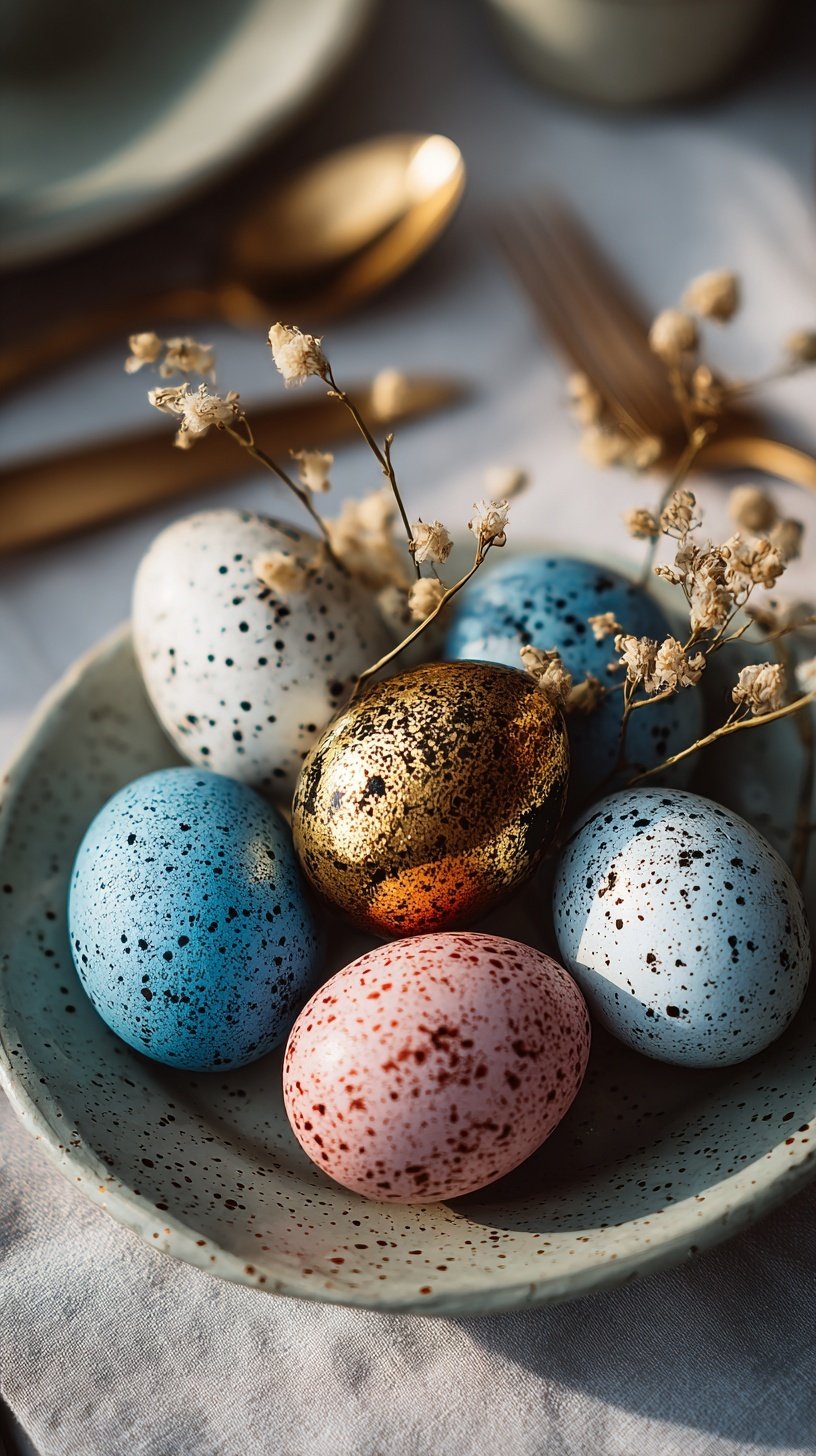
Easter morning is almost here, and you want a fun activity for the kids. Making Natural Dyed Easter Eggs is the perfect way to celebrate the season together.
These eggs use simple ingredients straight from your kitchen. You get beautiful, earthy colors without any messy store-bought kits. It is a gentle and creative way to bring nature indoors this spring.
Why This Recipe Is a Winner
This project is a wonderful way to slow down and enjoy the holiday. You probably have most of these items in your pantry already. Natural Dyed Easter Eggs look stunning on any brunch table or centerpiece.
They are safe, chemical-free, and totally unique every time. Your family will love seeing the deep colors develop overnight. It is a rewarding experience for both kids and adults alike.
Simple Cooking Steps
The process is very simple and hands-on. You just simmer some veggies and soak your eggs. Wrapping them with leaves adds a lovely botanical touch that looks professional. Even if you are not crafty, you can do this easily. It is a relaxing project for a cozy spring weekend.
Ingredients You’ll Need
- 12 large white chicken eggs
- 2 cups shredded red cabbage (for blue/teal tones)
- 2 tablespoons ground turmeric (for golden tones)
- 2 cups shredded beets (for pink/terracotta tones)
- 4 tablespoons white distilled vinegar
- 1 teaspoon vegetable oil
- Small botanical leaves or flowers
- Nylon stockings cut into 3-inch squares
- Small rubber bands
Step-by-Step
- Place eggs in a single layer in a saucepan and cover with cold water by 1 inch. Bring to a rolling boil.
- Remove from heat immediately, cover with a lid, and let stand for 12 minutes. Transfer eggs to an ice water bath for 10 minutes to stop the cooking process.
- Prepare natural dyes by simmering each pigment source (cabbage, turmeric, or beets) in 2 cups of water for 20 minutes in separate pots. Strain liquids into glass jars and discard solids.
- Incorporate 1 tablespoon of white vinegar into each dye jar to act as a mordant for the calcium carbonate shells.
- For botanical patterns, press a leaf or flower firmly against the dry egg shell. Wrap the egg tightly in a nylon square and secure with a rubber band to create a vacuum seal.
- Submerge the prepared eggs into the dye baths. Transfer jars to refrigeration and steep for 4 to 12 hours depending on desired color saturation.
- Remove eggs from dye, carefully snip the nylon, and remove botanical elements. Allow eggs to air dry on a wire rack.
- Apply a minimal amount of vegetable oil to a soft cloth and buff each egg to enhance the depth of color and provide a subtle luster.
Best Ways to Enjoy It
Place these eggs in a basket with soft green moss. They make a wonderful centerpiece for your Easter brunch table. Pair them with fresh flowers and warm, buttered rolls. Your guests will be so impressed by the natural, soft colors. It is the best way to start your holiday celebration.
Keep It Fresh
Keep your dyed eggs in the refrigerator until you are ready to serve. They stay fresh and safe to eat for up to one week. Do not leave them out at room temperature for more than two hours. To eat them, just peel the shell and enjoy. Refrigeration is key to keeping the colors looking their best.
Recipe Tips
- Don’t skip the vinegar because it helps the color stick to the shell.
- Avoid using brown eggs if you want the brightest, most vibrant colors.
- Use flat leaves like parsley or cilantro for the clearest botanical patterns.
- Prepare the dye baths a day early to save time on decorating day.
- For Easter dinner, use these as unique and beautiful place settings.
- Buff with a tiny drop of oil to give them a gorgeous satin finish.
Ways to Switch It Up
- Swap red cabbage for yellow onion skins to get deep orange tones.
- Use frozen blueberries instead of beets for a soft, smoky purple color.
- Omit the botanical leaves for solid, modern minimalist eggs.
Common Questions
Can I make these ahead of time?
Yes, you can boil and dye them up to three days early. Just keep them stored in the fridge. The colors actually get deeper the longer they sit in the dye.
Are these eggs safe to eat?
Absolutely, since we are using food-grade ingredients like beets and turmeric. Just ensure you keep them chilled until it is time to eat. They are a healthy and fun snack.
What if I don’t have nylons?
You can use small rubber bands to create striped patterns instead. The botanical look needs the nylon to hold the leaf flat. Without it, you can still get beautiful solid colors.
I hope these Natural Dyed Easter Eggs bring a little extra joy to your spring. It is such a peaceful way to celebrate with the people you love. Happy decorating!
— Alex

Ingredients
- 12 large white chicken eggs
- 2 cups shredded red cabbage (for blue/teal tones)
- 2 tablespoons ground turmeric (for golden tones)
- 2 cups shredded beets (for pink/terracotta tones)
- 4 tablespoons white distilled vinegar
- 1 teaspoon vegetable oil
- Small botanical leaves or flowers
- Nylon stockings cut into 3-inch squares
- Small rubber bands
Instructions
- Place eggs in a single layer in a saucepan and cover with cold water by 1 inch. Bring to a rolling boil.
- Remove from heat immediately, cover with a lid, and let stand for 12 minutes. Transfer eggs to an ice water bath for 10 minutes to stop the cooking process.
- Prepare natural dyes by simmering each pigment source (cabbage, turmeric, or beets) in 2 cups of water for 20 minutes in separate pots. Strain liquids into glass jars and discard solids.
- Incorporate 1 tablespoon of white vinegar into each dye jar to act as a mordant for the calcium carbonate shells.
- For botanical patterns, press a leaf or flower firmly against the dry egg shell. Wrap the egg tightly in a nylon square and secure with a rubber band to create a vacuum seal.
- Submerge the prepared eggs into the dye baths. Transfer jars to refrigeration and steep for 4 to 12 hours depending on desired color saturation.
- Remove eggs from dye, carefully snip the nylon, and remove botanical elements. Allow eggs to air dry on a wire rack.
- Apply a minimal amount of vegetable oil to a soft cloth and buff each egg to enhance the depth of color and provide a subtle luster.