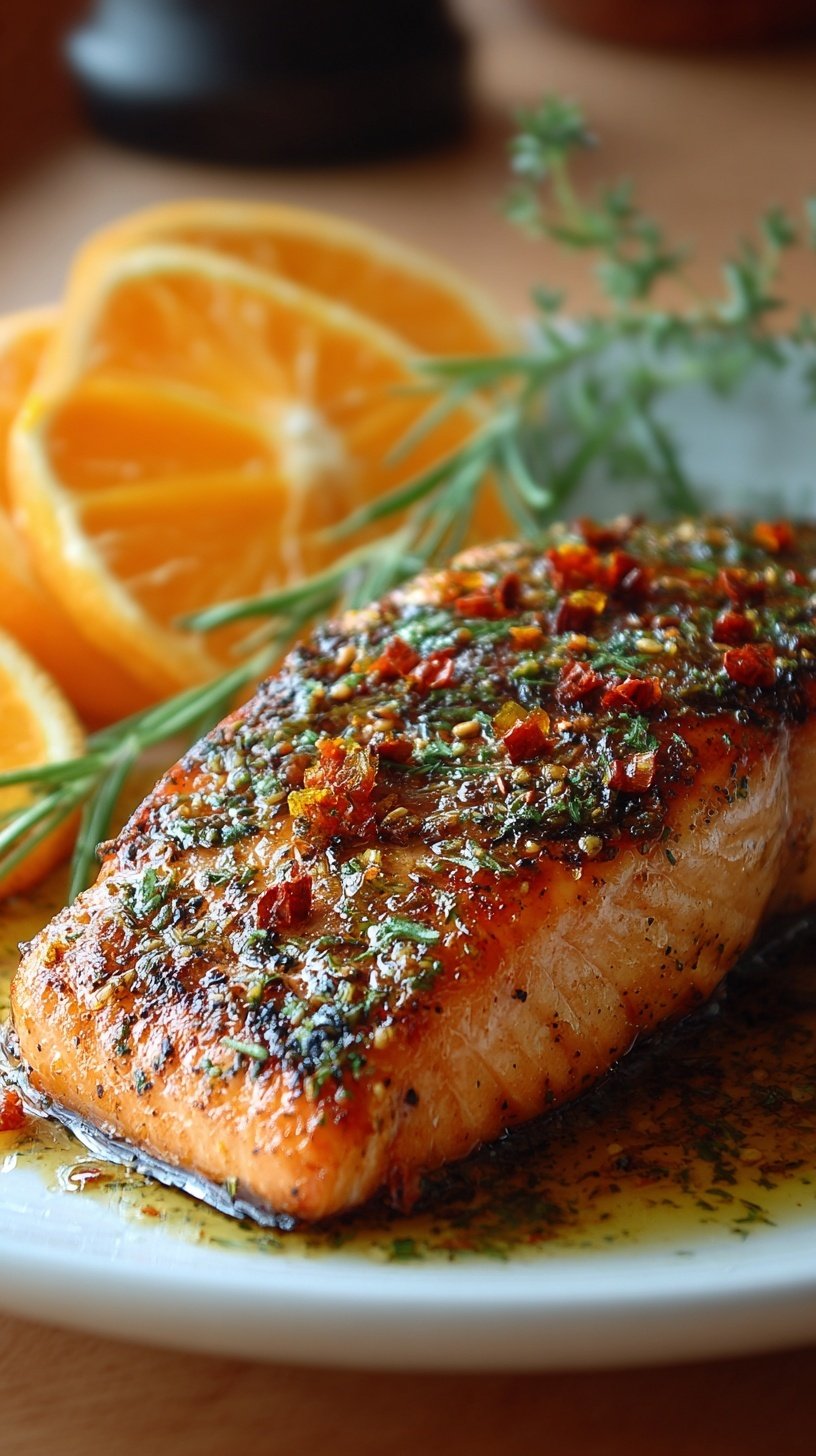
It’s 6pm, you’re tired, and everyone’s hungry. You need a meal that feels special but takes very little time. This pan fried orange salmon is the perfect solution for your busy kitchen. It combines fresh citrus with a savory glaze that your family will love. You can have a restaurant-quality meal on the table in under 25 minutes.
Why This Recipe Is a Winner
This recipe is a winner because it uses simple pantry staples. The bright orange flavor makes it feel like a fresh spring treat. It is healthy and satisfying without being heavy or complicated. You only need one pan, so cleanup is a total breeze. It is perfect for a quick weeknight dinner or a quiet date night at home. Your kids will even love the sweet and tangy glaze.
Simple Method
Making this fish is much easier than it looks. You start by searing the fillets to get a golden-brown crust. Then, you whisk together a quick sauce and let it simmer. The sauce thickens into a syrupy glaze right in the pan. Even if you are new to cooking fish, you can do this. I will guide you through every simple step for success.
Ingredients You’ll Need
Most of these items are likely already in your kitchen. Fresh citrus makes a huge difference in the final flavor.
- 2 Atlantic salmon fillets (6 ounces each)
- 1/2 cup fresh orange juice
- 1 tablespoon orange zest
- 2 tablespoons honey
- 1 tablespoon soy sauce
- 1 clove garlic, minced
- 1/2 teaspoon fresh ginger, grated
- 1 tablespoon olive oil
- 1/4 teaspoon kosher salt
- 1/4 teaspoon black pepper
Step-by-Step
- Pat the salmon fillets dry with paper towels and season both sides with salt and pepper.
- In a small mixing bowl, whisk together the orange juice, orange zest, honey, soy sauce, minced garlic, and grated ginger until well combined.
- Heat olive oil in a large non-stick skillet over medium-high heat until shimmering.
- Place the salmon fillets in the skillet, flesh-side down. Sear for 4 to 5 minutes without moving them to develop a golden-brown crust.
- Carefully flip the fillets using a spatula.
- Pour the orange juice mixture into the skillet around the salmon.
- Reduce heat to medium and simmer the liquid for 3 to 4 minutes, spooning the glaze over the fish frequently as the sauce reduces and thickens.
- Once the salmon reaches an internal temperature of 145 degrees Fahrenheit and the glaze has a syrupy consistency, remove from heat.
- Serve immediately, drizzling remaining pan glaze over the fillets.
Best Ways to Enjoy It
Serve this salmon over a bed of fluffy white rice. Add some steamed snap peas or a light green salad. The rice soaks up all that delicious extra orange glaze. For a special date night, pair it with a crisp white wine. Pack any extra portions for a nutritious office lunch the next day.
Storage & Reheating
Store leftovers in an airtight container in the fridge. It will stay fresh for up to two days. To reheat, place it in a 350°F oven for 10 minutes. This helps keep the salmon from getting rubbery in the microwave. I do not recommend freezing the cooked salmon as the texture changes. Always drizzle a little extra water or juice when reheating to keep it moist.
Tips for Best Results
- Pat the fillets completely dry before seasoning to ensure a crisp sear.
- Don’t move the fish while it sears to get that perfect crust.
- Use raw honey for a deeper, more floral sweetness in the glaze.
- Whisk your sauce while the fish sears to save precious time.
- Add a handful of fresh spring herbs like parsley for a bright finish.
- Avoid overcooking by checking the temperature with a meat thermometer early.
- Upgrade the dish by topping with toasted sesame seeds for a light crunch.
Ways to Switch It Up
- Swap soy sauce for tamari to make this dish completely gluten-free.
- Use maple syrup instead of honey for a different type of sweetness.
- Try blood oranges in the winter for a beautiful, deep red glaze.
- Add a pinch of red pepper flakes for a spicy citrus kick.
Common Questions
Can I use frozen salmon?
Yes, you can use frozen salmon for this recipe. Just make sure to thaw it completely in the fridge before cooking. Dry it very well with paper towels before it hits the pan.
How do I know when the salmon is done?
The fish should flake easily with a fork at the thickest part. It will also turn from translucent to opaque. An internal temperature of 145°F is the safest goal for perfectly cooked fish.
Is the orange zest really necessary?
The zest contains the essential oils that provide the best flavor. It adds a punch of fresh citrus aroma that juice alone cannot provide. Try not to skip this step for the best results.
I hope this bright salmon dish brings some sunshine to your table. It is one of my favorite ways to make a healthy meal feel fun and fancy. Give it a try tonight and enjoy every bite!
— Alex

Ingredients
- 2 Atlantic salmon fillets (6 ounces each)
- 1/2 cup fresh orange juice
- 1 tablespoon orange zest
- 2 tablespoons hone y
- 1 tablespoon soy sauce
- 1 clove garlic , minced
- 1/2 teaspoon fresh ginger, grated
- 1 tablespoon olive oil
- 1/4 teaspoon kosher salt
- 1/4 teaspoon black pepper
Instructions
- Pat the salmon fillets dry with paper towels and season both sides with salt and pepper.
- In a small mixing bowl, whisk together the orange juice, orange zest, honey, soy sauce, minced garlic, and grated ginger until well combined.
- Heat olive oil in a large non-stick skillet over medium-high heat until shimmering.
- Place the salmon fillets in the skillet, flesh-side down. Sear for 4 to 5 minutes without moving them to develop a golden-brown crust.
- Carefully flip the fillets using a spatula.
- Pour the orange juice mixture into the skillet around the salmon.
- Reduce heat to medium and simmer the liquid for 3 to 4 minutes, spooning the glaze over the fish frequently as the sauce reduces and thickens.
- Once the salmon reaches an internal temperature of 145 degrees Fahrenheit and the glaze has a syrupy consistency, remove from heat.
- Serve immediately, drizzling remaining pan glaze over the fillets.